
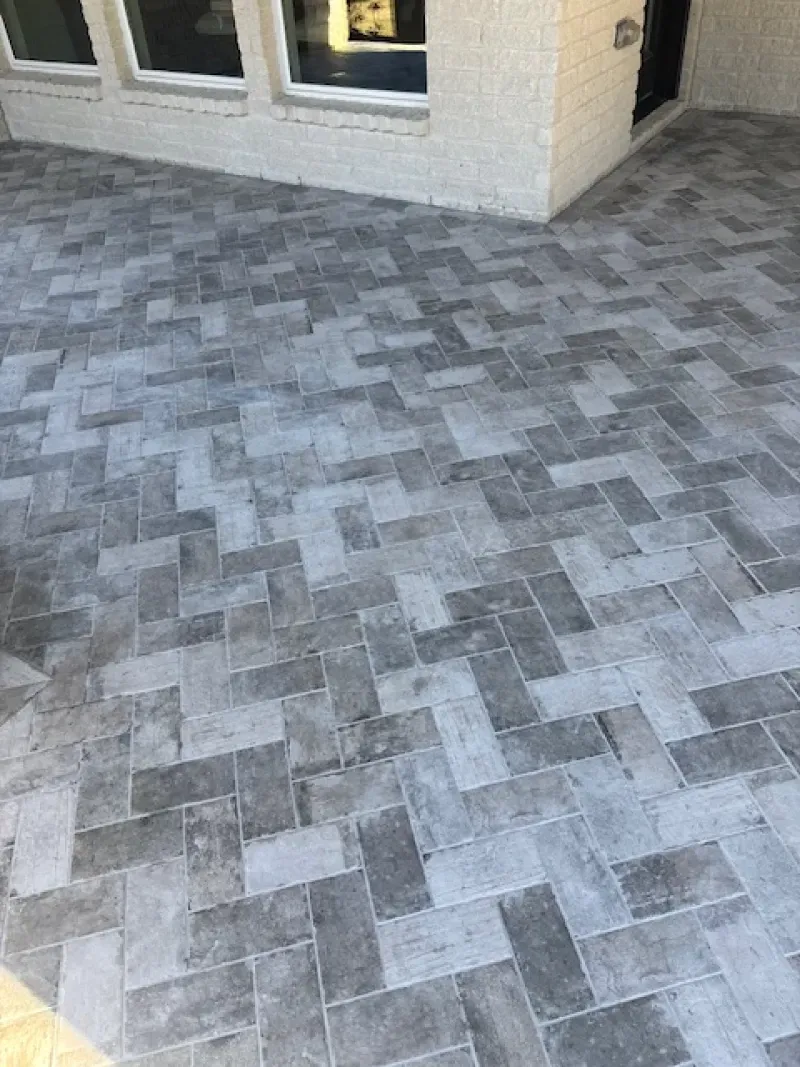
Durable Surfaces for Wet and High-Traffic Areas
Tile and stone in Willis for kitchens, bathrooms, and entryways where water exposure and heavy use cause flooring failures
Texas humidity and temperature swings create conditions where grout lines crack and tiles debond when installations lack proper waterproofing and expansion accommodation, leading to the hollow sounds and loose tiles common in poorly executed work. Ceramic and porcelain tile installed by Willis Flooring Pros use thin-set mortar over prepared substrates with waterproof membranes in wet areas, creating surfaces that resist moisture penetration and temperature-related movement. You're selecting from rectified tiles with minimal grout joints for contemporary looks or tumbled stone with wider joints for traditional aesthetics, with choices affecting both maintenance requirements and slip resistance.
Subfloor preparation involves ensuring deflection rates meet tile industry standards—typically L/360 for ceramic and L/720 for natural stone—preventing the flexing that causes grout cracks and tile fractures in installations over inadequately supported floors. Cement backer board or uncoupling membranes isolate the tile assembly from substrate movement, addressing the differential expansion rates between materials that create stress concentrations.
Schedule an evaluation to assess subfloor deflection and discuss tile layout patterns that minimize cuts and align grout lines with architectural features.
Why Grout and Sealing Determine Long-Term Appearance
Epoxy grout resists staining and moisture absorption better than cement-based products, though its higher cost and difficult application limit use to areas where performance justifies expense, such as shower floors and commercial kitchens. Proper grouting technique fills joints completely without voids that collect water and breed mold, while tooling creates consistent concave profiles that shed water rather than flat surfaces that hold moisture.
You'll observe that sealed grout and natural stone resist discoloration from spills and routine soiling, maintaining the clean appearance established at installation, while unsealed surfaces develop staining that requires aggressive cleaning or grout replacement. Porcelain's through-body color eliminates the chipping concerns present in glazed ceramic, where impacts expose contrasting substrate colors beneath surface coatings.
Natural stone—marble, granite, travertine, slate—requires different maintenance than ceramic products due to porosity and acid sensitivity, with some stones demanding regular sealing and pH-neutral cleaners to prevent etching and staining. Understanding these material-specific requirements prevents the damage homeowners inadvertently cause by applying inappropriate cleaning products or neglecting protective treatments.
What Property Owners Usually Ask
Tile and stone installations involve more substrate preparation and material selection complexity than other flooring types, making informed decisions critical to achieving desired performance.
What subfloor conditions in Willis homes prevent tile installation until corrective work is completed?
Excessive deflection from inadequate joist sizing or spacing, moisture in concrete slabs above acceptable thresholds, or damaged substrates with rot or delamination require remediation before tile work begins to prevent grout cracking, tile fracture, and bonding failures.
How does porcelain tile differ from ceramic in durability and moisture resistance?
Porcelain's denser composition and lower water absorption rate—less than 0.5 percent compared to ceramic's 3-7 percent—make it more frost-resistant and suitable for exterior applications, while also providing greater impact resistance and through-body color that hides chips better.
Why do some natural stones require sealing while others do not?
Porous stones like marble, travertine, and limestone absorb liquids that cause staining, requiring penetrating sealers to fill capillaries, whereas dense materials like polished granite and slate have naturally low absorption rates that make sealing optional depending on finish and location.
What installation methods prevent hollow-sounding tiles that indicate poor substrate contact?
Back-buttering individual tiles in addition to troweling mortar on the substrate ensures full coverage without voids, particularly important for large-format tiles where suction alone doesn't guarantee complete contact and prevent the hollow sounds that indicate air gaps.
How does tile layout affect the number of visible cuts and overall appearance?
Starting layouts from room centers or prominent focal points ensures balanced cuts at perimeters and aligns grout lines with doorways and fixtures, while poor planning results in narrow slivers at walls and misaligned patterns that emphasize installation flaws.
Willis Flooring Pros provides tile and stone installations with attention to substrate preparation and material selection that prevent the grout cracking, tile debonding, and moisture damage common in rushed or improperly executed work. Reach out to discuss ceramic, porcelain, and natural stone options that deliver both aesthetic goals and long-term durability in your Willis property.